

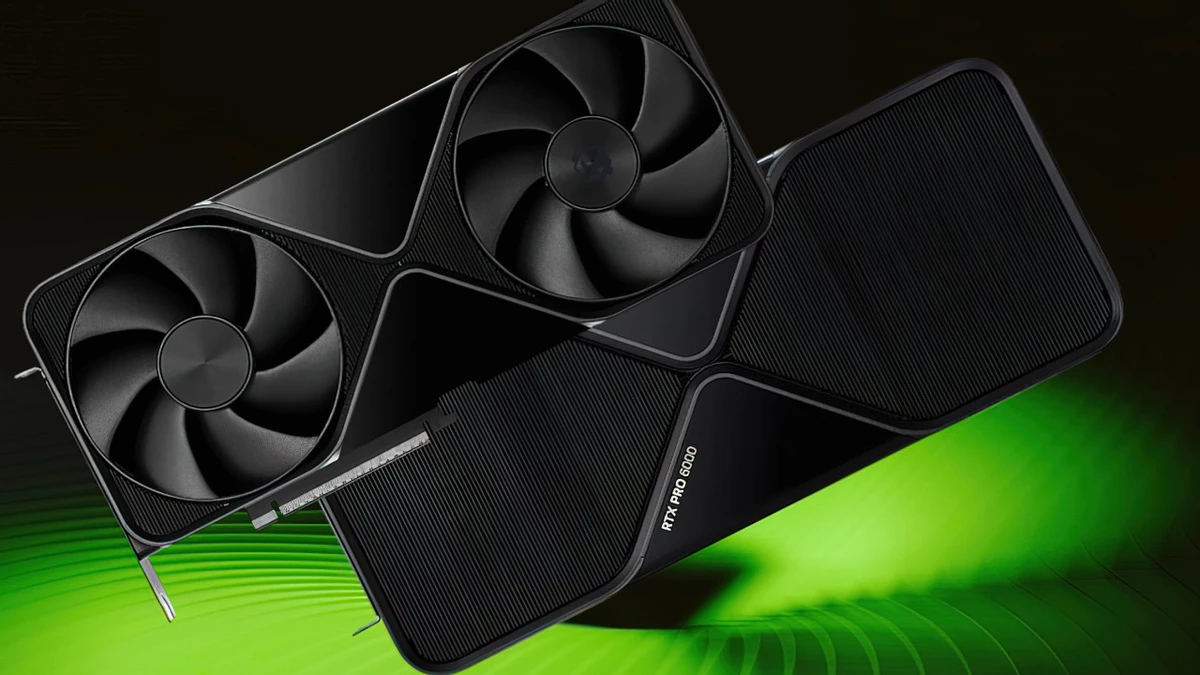
The situation in the graphics-accelerator market is getting noticeably tenser. The flagship professional card NVIDIA RTX PRO 6000, built on the Blackwell architecture, now appears in official lists at $16,000. That's roughly twice the launch RRP — about $8,000 originally.
This isn't some reseller gouging — i.e., the change shows up in NVIDIA's own price list and on partner PNY's pages. The cause is obvious: a shortage of memory chips. The board carries 48 modules of 2 GB each (48 × 2 GB = 96 GB VRAM), and when the parts are scarce the sticker reflects that. Gaming GPUs are following suit, too — prices creeping up across the consumer side, e.g., higher-end cards climbing fast.
It feels messy; I wince at the sticker shock, and there's a whiff of déjà vu from past component crunches. Will this pricing become the new norm, tied to sustained AI demand and tight supplies, or is it a temporary spike that will calm down if demand for AI hardware cools? What do you think?