

Debt as the Driver of Progress
The plot centers on a "lucky guy" who wins a corporate lottery — his prize is a chance to erase a mountain of debt by touring the stars and earning credits. You trade one kind of servitude for another: instead of shift work at a station, you’re sent into space to mine, automate, and grind toward freedom. The story is straightforward and mostly functional; it never surprises, but it does nudge the gameplay with a thin vein of corporate satire — the corp is always watching, never letting go. IMO, it works as scaffolding rather than as something you’ll remember for narrative twists or character arcs.
How Vast Is the Cosmos?
In play, SpaceCraft often reads like No Man’s Sky vs. a more limited cousin. You get a borrowed ship and set off with basic gear; tech unlocks let you press into automated bases and planetary factories. There’s a social layer too: "Corporations" — player-run groups — handle big contracts and pooled goals, so there’s an economy that benefits from cooperation rather than lone-wolfing.
But the universe feels restrained. Planets mostly present as empty stretches, lacking the cultural or biological diversity that made NMS feel alive. Progress is heavily paced — long flights, repetitive encounters, and ship balancing that tilts into grind. Ship-building is manual (modules like lasers, bays, batteries, scanners are pieced together), yet the process rarely sparks that satisfying sense of invention you want from a space sandbox. TBH, by the time automation becomes viable, the momentum often has already faded.
The route from starter missions to full-blown industry feels overlong. You’ll shuttle between stations and worlds, tweak loadouts, then repeat. That repetition blunts the payoff when you finally begin constructing factories. Some players will tolerate it for the build possibilities; others will find the loop too slow to stay engaged.
Without Loud Promises — and Still Quite Underwhelming
No Man’s Sky’s infamous launch is the elephant in the room: it burned early trust and later earned redemption. SpaceCraft, alas, arrives like an alternate history where that redemption never happened. It shows flashes of potential but remains stuck in an early, rough phase.
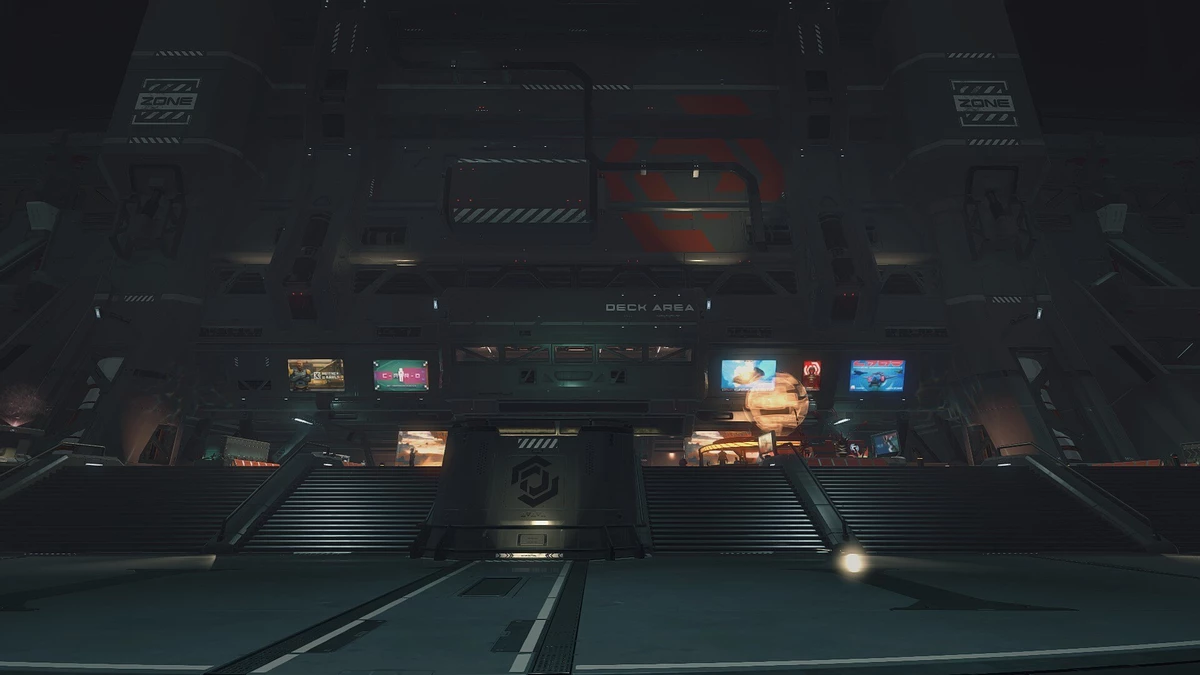
Visually the game tries — planets can be striking and stations detailed — but scale and variety problems undermine that effort. Too many locales look alike; the visual identity doesn’t leap out compared to other sci-fi entries. Atmosphere is attempted, but often it reads as "another space sim" rather than a distinct world. FYI, the devs didn’t overpromise, yet the result is slow and light on content compared with its ambitions.
Too Small a Step for Mankind
Right now, SpaceCraft in early access is a small, rough game that shows what it might become more than what it is. Mechanics feel unfinished, content is limited, and pacing leans toward tedium. That said, growth is possible — many titles have climbed out of humble starts — but don’t bank on a miracle copy-paste of other games’ turnarounds. If you live for space sandboxes and don’t mind glitches, slow pacing, and a thin content pool, it’s worth a look. Otherwise, wait for bigger updates or stick with more mature alternatives.
Rating
Pros
- Decent visuals
- Potential is visible
Cons
- Boring
- Raw