

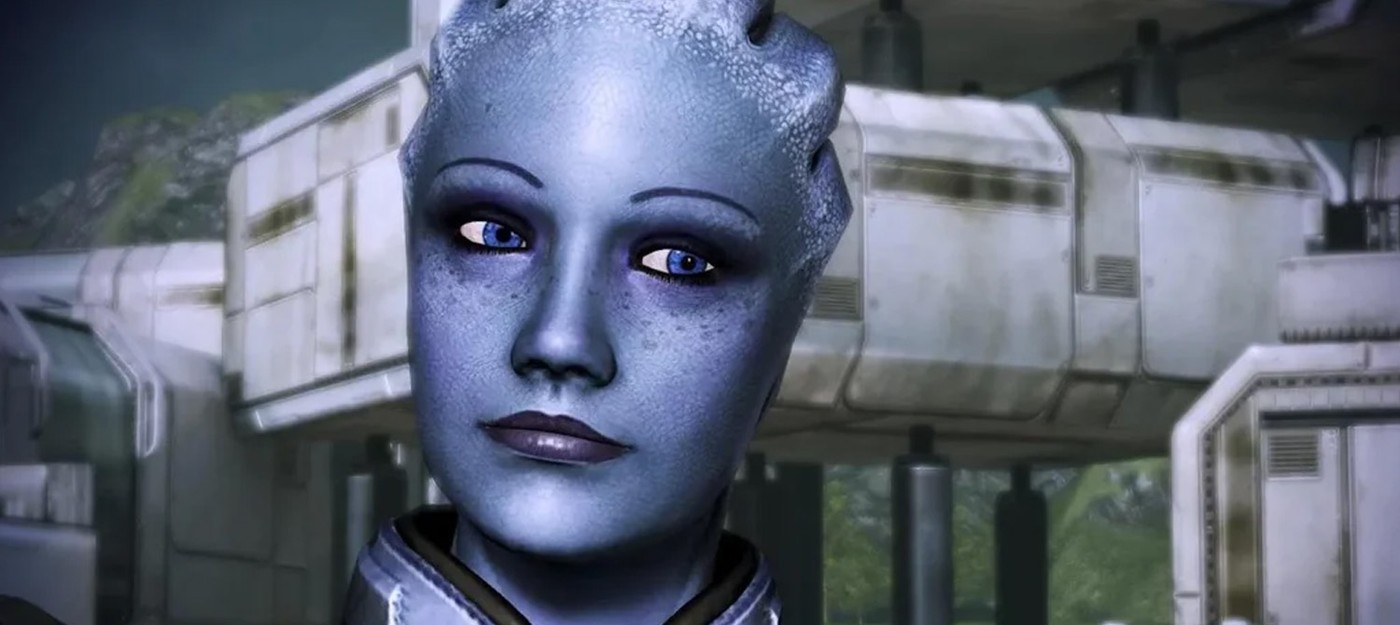
Loyalty in RPGs is more slippery than it looks. A game will nudge you for hours toward the idea that a companion would burn with the hero—and if it never actually gives you a reason to test that claim, you can easily mistake absence-of-choice for steadfastness. In the Mass Effect trilogy the usual conversation about who’s Shepard’s truest ally narrows quickly: Garrus, Liara, Joker, Wrex. Garrus often gets the crown because he rarely contradicts the commander in public; he can play either the voice of conscience or the hammer of judgement. Yet there’s a catch: unconditional agreement can read like a lack of an independent position.
Real loyalty looks like someone telling you you’re wrong because they care about the result. Saying “you’re always right, flawless” isn’t loyalty— it’s zealotry.
There’s a rebuttal, though: Garrus does push back, just not in public theater—he keeps some objections private, the way a first lieutenant might. And technically his fidelity can be revoked; the Sidonis mission in Mass Effect 2 offers a route where he withholds support.
Why the Alliance Didn’t Care About the Millions of Kidnapped Colonists in Mass Effect 2
Liara’s case rests on a different kind of storytelling. The game (and tie-in material) never gives us a plausible moment to doubt her: she retrieves Shepard’s body from the Collectors and hands it off to Cerberus (see the Mass Effect: Redemption comic), later takes over the Shadow Broker’s operations, and stores evidence so the galaxy remembers who saved it. Those are big, unilateral moves—no caveats, no visible bargaining.
Joker’s defenders point to his choices outside the bridge. He quits the Alliance and signs on with Cerberus once he learns Shepard will be resurrected—an act that signals a personal commitment, even if he then refuses to abandon the pilot seat during the prologue of Mass Effect 2, with disastrous consequences for Shepard.
Then there are quieter, human moments: Dr. Chakwas pleading to return to the Normandy in Mass Effect 3; Admiral Anderson giving Shepard his ship, shoving Udina, and ultimately taking a bullet while protecting others—actions that read more paternal than fraternally intimate. What makes the whole discussion interesting is asymmetry. The game forces Wrex and Tali into hard choices that pit Shepard against their peoples—i.e., the genophage cure or conflict with the Geth—while Garrus, Liara, Joker rarely face such a fork in the road. Palaven, for example, never appears as a bargaining chip.