

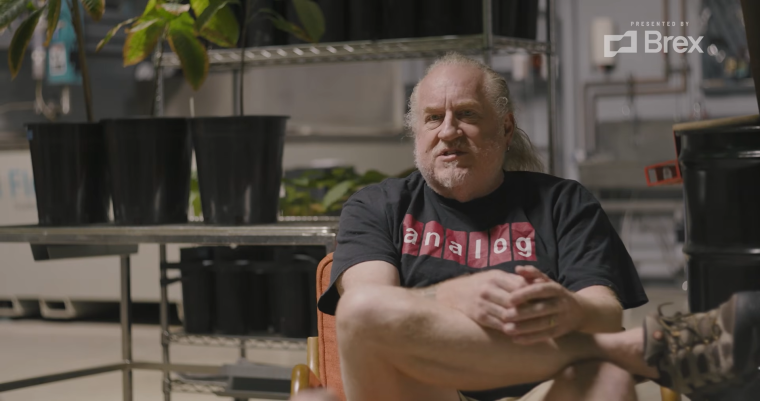
One of the architects of the original Xbox, Seamus Blackley, said he is dismayed by the current trajectory of the brand during an interview with journalist Ashley Vance on the Core Memory podcast.
Blackley told Vance he believes Microsoft’s leadership now looks prepared to abandon console hardware entirely, effectively discarding more than 20 years of work aimed at winning the gaming audience.
Blackley described the shift away from traditional consoles toward abstract services as baffling, arguing the company appears to have “decided to throw Xbox into the trash in favor of all these unrelated things.” He said the move echoes the same internal forces that nearly killed the project during its origins in the late 1990s.
He recounted that the first Xbox faced intense resistance inside Microsoft’s Redmond offices, where office functionaries and middle managers repeatedly undermined the gaming effort and regarded building a home console as a misuse of company resources. According to Blackley, some executives were pushing ideas such as smart screens on refrigerators that could offer shopping lists, while Japan’s Sony was winning living rooms worldwide with the PlayStation 2.
The console’s creation, Blackley said, was preserved only after the team made a direct appeal to Bill Gates and staged a striking demonstration of the graphical capabilities of the DirectX libraries. Engineers deliberately separated themselves from corporate bureaucracy to build what they envisioned as a compact, high-performance PC. “They wanted to use the pure power of Microsoft, not Microsoft corporate nonsense,” Blackley recalled, but he added that the toxic bureaucracy ultimately reasserted itself after the platform’s commercial success.
Blackley also accused long-standing detractors within the company of rewriting history once the system became a global phenomenon. He said managers who had opposed the project later cast themselves as its champions in official documentary films, erasing their earlier efforts to block the console. Those same types of managers, he warned, are now making strategic choices that are stripping Xbox of its distinctiveness and reducing it to a secondary service.
Seamus Blackley left Microsoft’s gaming division in 2002, shortly after the first Xbox was released in North America and Europe. He now heads a research lab, Pacific Light and Hologram, in Pasadena and has stepped away from developing consumer gaming electronics.