

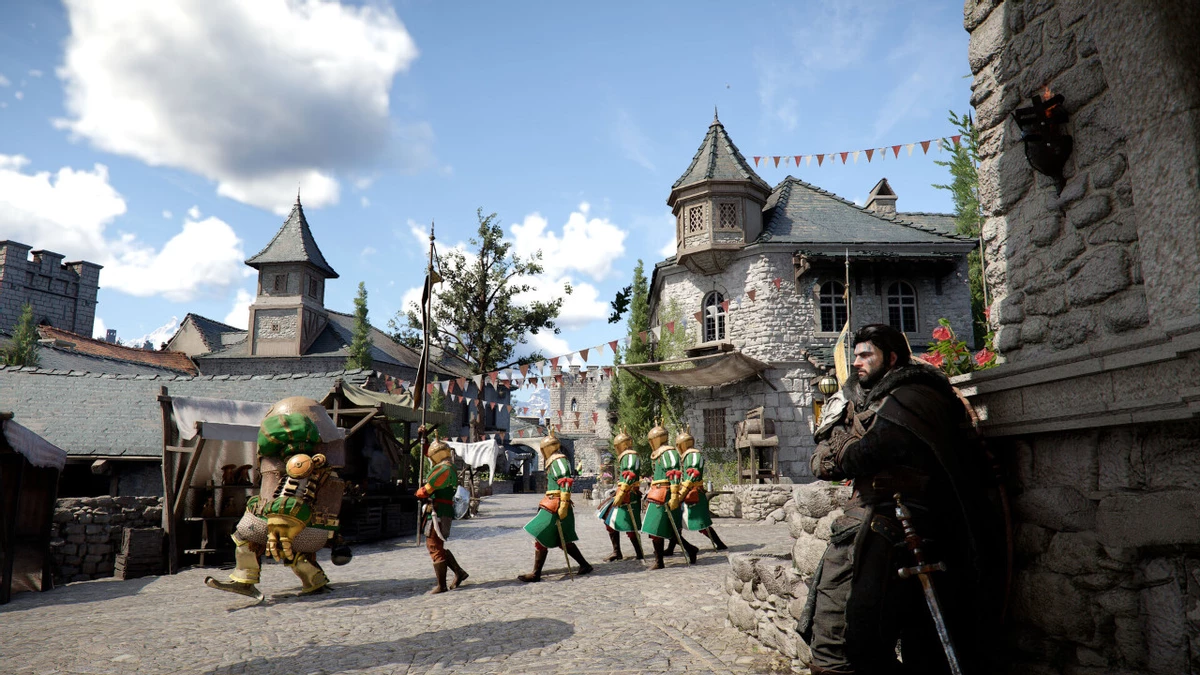
A Lot of Details About Crimson Desert, From Mechanics to World Size
The sheer scale of Crimson Desert hits you before a single quest loads. Pearl Abyss — a studio with MMO roots — built a map reportedly twice the size of Skyrim. On paper that metric is headline-worthy; in practice it translates into an odd mix of grand vistas and busy checklisting. Players must track down 2,921 units of knowledge (e.g., item observations, NPC conversations, location visits); some of those entries even require collecting mounts.
Other stats keep piling up: 573 territories, 110 factions, 355 crafting guides, and 29 types of riding animals. Still, scale doesn’t equal polish — lengthy, slow puzzles interrupt the flow at times, and the controls can feel muddled. There’s a lot to do, and quite a bit that feels like padding.
More details surfaced via JorRaptor. The world reportedly sits on two levels: the main open regions, full of combat encounters and quests, and a series of floating sky islands tied to the Abyss. Those islands lean into puzzles and — from what’s been hinted — seem important to the plot.
Control of each area rests with a faction; doing faction quests raises a loyalty rank. The leveling approach drops fixed classes in favor of a single, flexible skill tree. Cliff’s moveset, for example, lets you swap between close fighting and bow work, launch aerial attacks, or flip into a heavier combat stance; most abilities are triggered by button combos rather than rigid class slots.
Settlements add some systemic grit: bounty contracts send you after fugitives who try to slip away, and successful captures mean hauling culprits to jail. Crime has consequences — theft requires a mask, and attacking or threatening guards will turn a city hostile. If you fall in battle after committing crimes you’ll be thrown into jail and lose a portion of your cash.