

Australia had been the lone continent without highly pathogenic H5 avian influenza for decades. That changed in June, when the H5N1 virus turned up in five migratory sea birds on the country’s southwest coast, e.g., three giant petrels among them. Since then the pathogen has begun to spread to mammals.
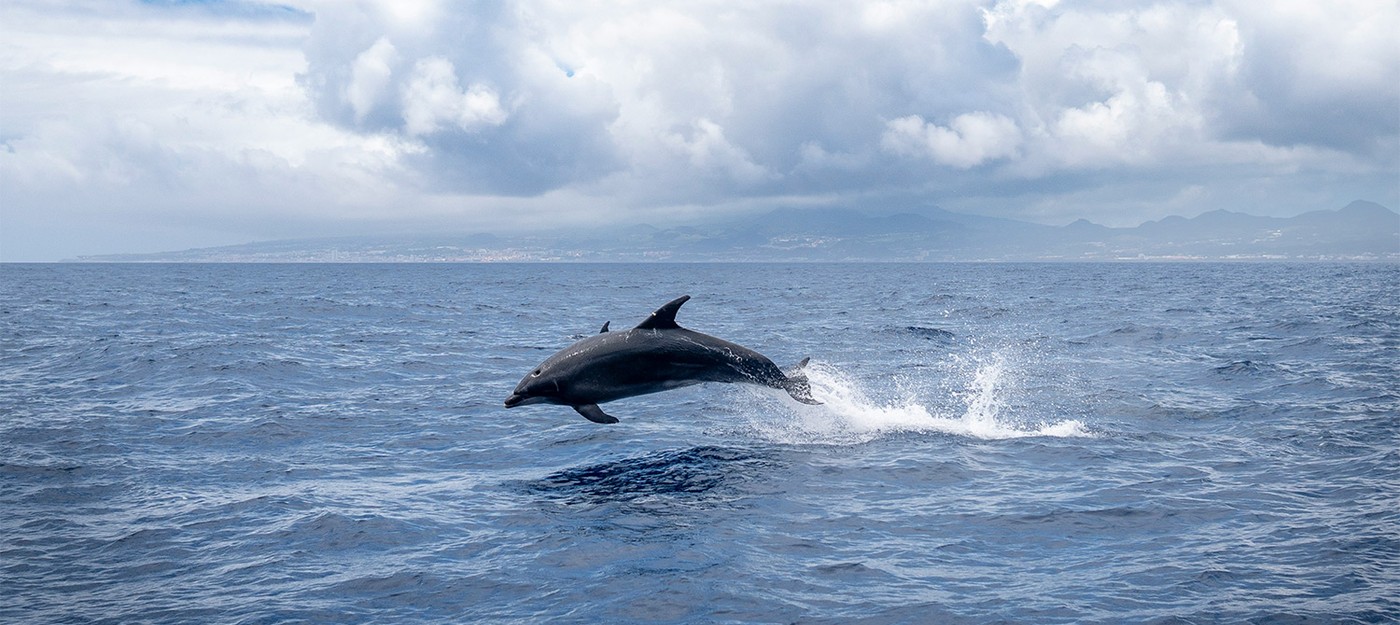
In recent weeks a red fox in an Adelaide suburb and a sea lion in Beachport — the first mammal to die from H5 on the Australian mainland — tested positive. Now a dolphin has been added to the list: its carcass was discovered in Goolwa, a port town south of Adelaide, and this appears to be the first recorded dolphin death from avian influenza in Australia.
Local reports say a jogger out with his dog found the animal on the beach. South Australia’s Chief Veterinary Officer Sky Fruen noted that full lab work remains underway, though early tests point to a viral cause.
Laboratory analysis, including a full autopsy, has not yet been completed. However, we found that it [the dolphin] had high levels of the virus in its brain, which would be consistent with what we expect from a case of avian influenza.
A spokesperson from the Department of Primary Industries and Regions of South Australia described the discovery as novel for the country, while pointing out that H5 infections in dolphins and porpoises have been reported overseas. Dolphins don’t normally feed on birds, i.e., they aren’t typical scavengers of seabird carcasses, but interactions between species do occur.
Marine biologist Mike Bossley, formerly with Greenpeace Australia, told the ABC he was alarmed by how quickly the dolphin became infected and died; its feeding habits, he said, leave these animals especially exposed.
The appearance of such a case here so soon really shocks me and greatly concerns me. They follow the birds because birds see fish from the air better than they do.
Fruen warned that further dolphin deaths cannot be ruled out but emphasized an even greater worry for seals and sea lions. Those species congregate tightly in coastal colonies, so an outbreak there could sweep through groups very fast.
To address the risk, state authorities plan to move confirmation of H5 cases into local labs, thanks to improved testing procedures. So far, Australia’s poultry industry and other agricultural livestock have not recorded any confirmed H5N1 cases — a window of opportunity, perhaps, to avoid the large outbreaks that disrupted food systems elsewhere in past years.
Since June, 413 infections have been confirmed in the wild. The H5N1 virus can jump from birds to humans and, as the Goolwa case suggests, from birds to dolphins. The Australian Department of Agriculture, Fisheries and Forestry notes there is no evidence to date of human-to-human transmission of the current strain.