

Take-Two Head: AI Won't Create GTA
Take-Two CEO Strauss Zelnick spoke with a journalist from The Game Business and laid out his take on tech and AI in game creation, Take-Two’s push into new regions, and why certain ads don’t belong in AAA titles.
AI Will Not Make GTA
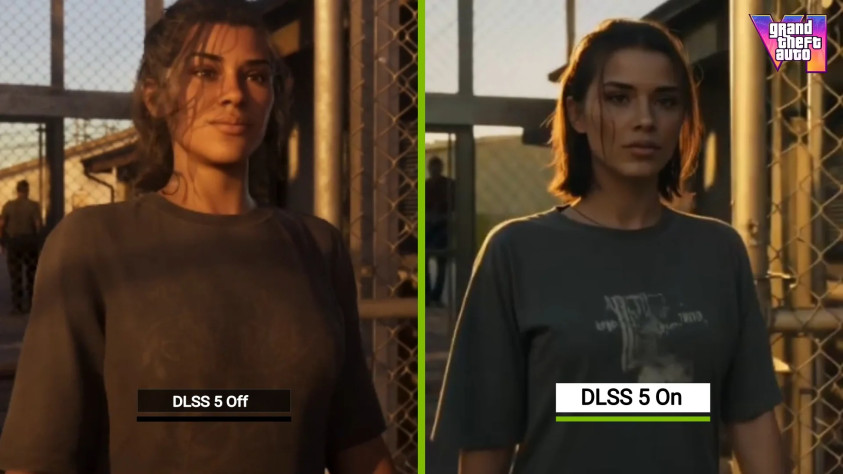
Late January saw Google unveil Project Genie — an AI toy for building virtual spaces from text prompts. Investors panicked; shares across the sector, including Take-Two, dipped. Some of the online reaction felt overblown. DLSS 5 jokes aside, that tech isn’t suddenly shipping a finished GTA VI.
Zelnick says studios can benefit from these tools. His point: the industry has always leaned on new tech to make games better. Tools can speed tasks up, sure, but they don’t hand you a blockbuster on a platter.
I was surprised by the market's reaction — people treated it like a threat to our craft when really it's just another content tool. The gloomy story is that AI will let anyone produce hits; that's not how this works.
Tools can generate assets, but they don't generate hits. There are already tons of assets out there. Whether you hit a button or spend six weeks, you end up with an asset. Thousands of mobile games launch every year, yet only a handful succeed.
You can make stuff that looks like NBA 2K or EA Sports FC, but achieving that scale of success needs real people, judgment, and creativity.
Strauss Zelnick
He thinks AI is useful for speeding up chores — e.g., storyboarding, scripting, brainstorming — but it's still a means to an end. Faster mock-ups don't equal better design; a slick slide deck doesn't win on its own. The tool changes workflow, not the final taste.
Zelnick also pushes back on the notion that AI levels the playing field between deep-pocketed studios and solo devs. Game-making tech has been widely available for years; thousands of projects hit storefronts, and hits mainly come from big teams or well-funded groups. Pressing a button to "make a hit" is, he says, a naive thought. He points to music: neural nets can spit out tracks, yet few become earworms people replay.
At the same time, he admits AI will boost the creator economy on platforms like Roblox. That growth, he argues, runs alongside the traditional industry rather than replacing it. Old formats can rework themselves instead of disappearing — vaudeville, for instance, was written off once but later morphed and found fresh audiences.
Technology Is Not a Bad Thing
Strauss positions himself as a tech optimist. He rejects the idea that digital aids make people lazy or less capable. Calculators were feared once — people thought kids would stop learning math. That didn't happen.
He admits tech has a darker side — nuclear physics gave us both power and catastrophe — but argues that hand-wringing over new media repeats each generation. Jazz was derided, then rock, then hip‑hop; society adjusted and life went on.
Need More Gold
It seems Take-Two wants to diversify where the money comes from. Despite the massive returns from titles like GTA V and Red Dead Redemption 2, the company sees growth opportunities outside its core markets.
Zelnick points out millions of potential players in India, Africa, the Middle East, Latin America, etc. The plan: better localization, distribution partnerships (mobile-first in many places), support for streaming, and regional pricing that reflects local purchasing power — even if VPNs complicate things. Right now roughly 65% of revenue comes from the U.S.; the aim is to tilt that balance over time, i.e., move U.S. share down toward ~20–25% as other regions grow.
As hardware gets cheaper and PCs and mobile devices become more capable, the addressable audience expands. If execution holds, revenue will look less U.S.-centric in a decade.
Age Is Not a Barrier for Games
He also touched on audience habits. Players who discovered BioShock or Grand Theft Auto as teens often stick with gaming into later life. Responsibilities change, time tightens, but enthusiasm can persist — and that long-term fanbase matters for the industry.