

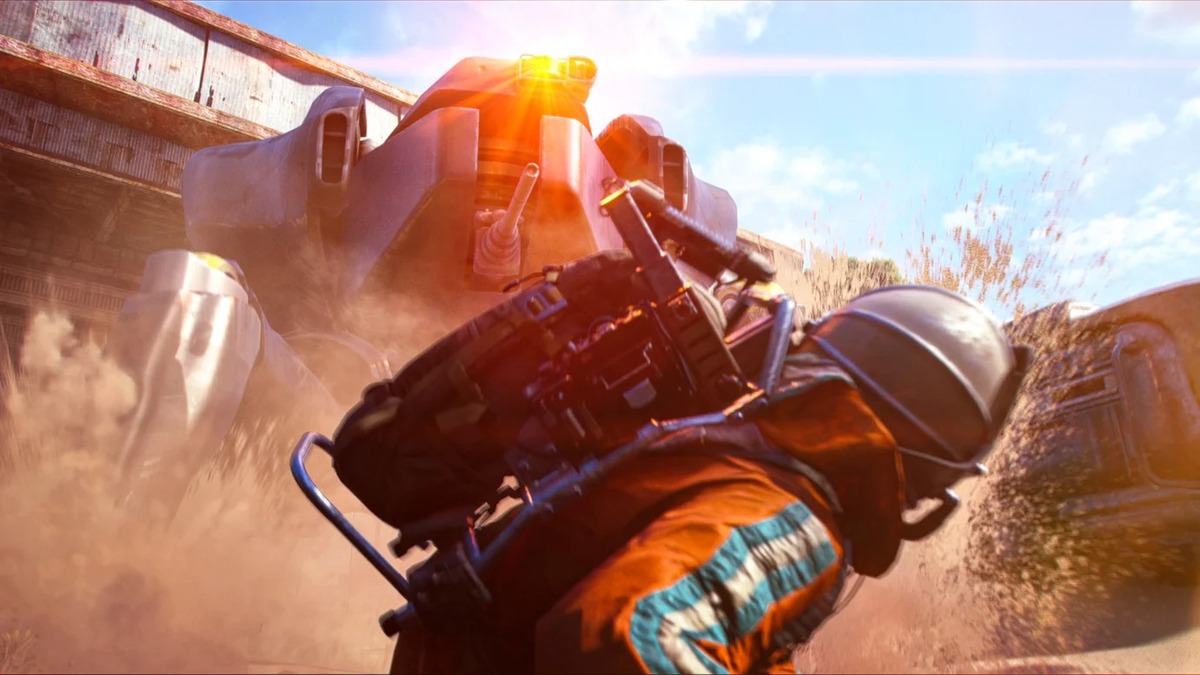
ARC Raiders Creator Talks About Embark Studios' Approach to Game Development and More
CEO Patrick Söderlund — at the helm of Swedish studio Embark Studios, launched in 2018 by veterans from DICE — leads a team of roughly 360 people working on several projects at once. One title, ARC Raiders, drew particular attention: analyst Michael Pachter put its budget at about $75M (incl. marketing). Since its October 2025 release the shooter has moved north of 14 million copies, according to reports — a figure that surprises as much as it pleases.
Söderlund’s take is simple but not naïve: modern tools let smaller teams punch above their weight. He points to revamped production pipelines and procedural systems — photogrammetry among the tools used — as ways to speed world-building and trim costs. That said, he doesn’t present these techniques as miracle fixes; there are trade‑offs and rough edges to manage.
The conversation turned to AI. Both The Finals and ARC Raiders drew flak when some voice lines were found to be AI‑generated. Players assumed studios were cutting out actors wholesale.
Söderlund pushes back: actors were paid for studio sessions and, in some cases, for licensing their voices for TTS systems (i.e., text‑to‑speech). He frames the AI use as limited — short system cues, throwaway lines — and admits that after release some of those lines were re-recorded with live actors because real performances simply landed better.
On projects: Embark runs a free‑to‑play team shooter (The Finals) alongside the more experimental ARC Raiders, which sits in the extraction shooter lane — a niche with a passionate, often hardcore audience. Titles like Escape from Tarkov show how deep mechanics can be rewarding but also intimidating; menus and mechanics can eat a player’s first hours. Embark deliberately moved toward a clearer, more approachable extraction experience rather than replicating that steep learning curve.
The game itself started life as a cooperative third‑person shooter and was later rewritten into an extraction game — a fairly radical pivot in design, according to Söderlund.
He confesses to being a fan of games about scavenging and risky loot runs, yet thinks many such games are needlessly dense for mass audiences. Embark aimed to keep the tension — raids, loot decisions, the choice to risk or cash out — while stripping away some of the baffling UI and opaque systems that can repel newcomers.
ARC Raiders isn’t the only recent entry in this space. Bungie just launched their own extraction shooter, Marathon. Söderlund sees a different emphasis there: Bungie leans harder into PvP, whereas Embark mixes PvE with adventure beats. He also notes that Bungie reacted quickly to player feedback after tests and managed to iterate on balance and monetization in short order.
When the topic shifted to industry shakeups — recent layoffs tied to the development of Battlefield 6 and affecting firms like Electronic Arts, DICE, Criterion Games, Motive Studio, and Ripple Effect Studios — Söderlund was candid: such moves aren’t tidy decisions. He frames them as symptoms of a larger mismatch: budgets and team sizes have ballooned while the market has gotten trickier to read. Even commercially successful projects can face cuts as companies recalibrate to new economic realities.
Looking ahead, Embark plans to grow its slate to four games over the next five years but doesn’t want to swell its payroll. The aim is to stay relatively compact — steady headcount, more output — i.e., expand the portfolio w/out hiring en masse. The tone is pragmatic rather than triumphant; keep making stuff, but keep the shop manageable.