

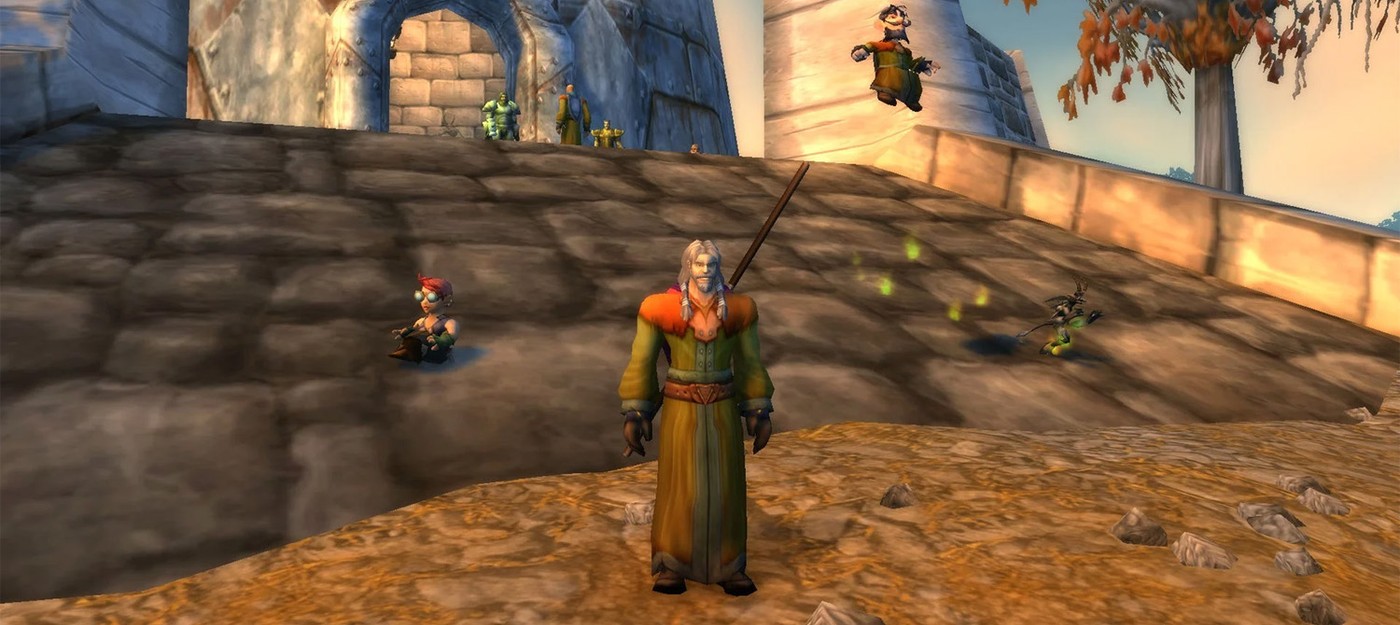
The moment you first shove open Vault 101’s door and actually see daylight. Wriggling out of a locked cell in Oblivion and stepping into an unfamiliar town after midnight. Rolling a fresh character in Azeroth and having no clue what to do, so you learned everything by bumping into things and asking strangers. Those instants—the ones people try to replay in their heads for 15–20 yrs—never quite land the same way twice.
It bubbled up again over on r/pcmasterrace: folks dumping their “peak” memories. WoW’s launch in ’04 and wandering Mulgore with no guide; Half‑Life 2 finally going live and a sleepless 12‑hr blur once Steam unlocked it; Halo on split‑screen with two TVs in different rooms; PlanetSide in ’03, siege after siege, a hundred people coordinating over voice. Those posts read like a mixtape of small, chaotic miracles.
Part of why you can’t get that back is less about getting older and more about ecosystem change. In the early ’00s there wasn’t a flood of day‑1 guides and YouTube walkthroughs — no instant spoilers the minute a title hit servers. Secrets were found by bumping into walls, by leafing through LKИ, or swapping tips with whoever happened to be online. Now? Search, click, done — everything is parsed and posted within 24 hrs.
Completing Fable won’t require 100 hours from you, but the variability will be endless
In GTA 6 you can hunt streamers and bloggers, fight with passersby, and shoot opponents in the knees
There’s another axis of change: how games are delivered. GaaS, battle passes, endless live updates—these have reshaped priorities. Big releases today often arrive more like an evolving platform than a single, finished statement from a small team or auteur. “Dev” culture shifted around metrics, engagement loops, and content cadence; that isn’t inherently bad, but it isn’t the same quiet, full‑stop moment you used to get.
And then there’s the IRL piece. Eight Switches around one TV, a friend hauling a desktop for a two‑player DOOM sesh over a cable, the low hum of a LAN—those gatherings felt like more than gaming. Pizza, cables, someone late with the router password. You can boot up a server in 2 mins, sure, but getting seven mates to actually leave their homes and cram into the same living room? Somehow way harder now than the tech side would suggest.